Renault Clio 4 Problems (2012–2019): Common Faults, Reliability and Buying Guide

The Renault Clio 4 is one of the most popular small cars on the European used-car market. Produced from 2012 to 2019, it offered attractive styling, low running costs, a comfortable ride and a wide range of petrol and diesel engines.
The Clio 4 is available as a five-door hatchback and was offered with several petrol and diesel engines, manual gearboxes and Renault’s EDC automatic transmission. Later facelifted models received improvements to the interior, equipment and infotainment system.
However, not every version has the same reliability record. Some engines and gearboxes require more careful inspection than others, especially on early cars with incomplete service histories.
In this guide, we look at the most common Renault Clio 4 problems, the engines that deserve extra attention and what to check before buying a used example.
Which Renault Clio 4 models does this guide cover?
This guide covers the fourth-generation Renault Clio, produced between 2012 and 2019.
Depending on the market and model year, the Clio 4 was available with engines including:
-
1.2 16V petrol
-
0.9 TCe petrol
-
1.2 TCe petrol
-
1.5 dCi diesel
-
Other petrol and diesel versions in selected markets
The car was available with manual gearboxes and, on selected versions, the EDC dual-clutch automatic gearbox.
The exact engine, equipment and transmission can vary according to the production year and country, so always check the vehicle identification number and service documents of the specific car.
Renault Clio 4 engine problems
1.2 TCe petrol engine
The 1.2 TCe deserves particular attention when buying a used Clio 4.
Some cars have been reported to suffer from excessive oil consumption. A low oil level can eventually cause serious engine damage if the problem is ignored. Timing-chain noise, rough running, misfires and loss of power may also indicate that the engine needs closer inspection.
Before buying a 1.2 TCe, check:
-
Whether the engine requires frequent oil top-ups
-
The oil level and condition
-
The service history
-
The engine sound during a cold start
-
Any blue smoke from the exhaust
-
Warning lights on the dashboard
-
Records of previous engine or timing-chain repairs
A test drive alone may not reveal an oil-consumption problem. It is important to ask the owner direct questions and inspect the service records.
For more information, see the separate article about Renault 1.2 TCe engine problems.
0.9 TCe petrol engine
The small 0.9 TCe petrol engine is economical and suitable for normal everyday driving. As with any turbocharged petrol engine, regular oil changes are important.
Possible problems include:
-
Timing-chain noise during a cold start
-
Rough running or hesitation
-
Ignition or sensor faults
-
Turbocharger-related issues
-
Coolant or oil leaks
-
Reduced performance
A short rattling sound at startup should not be ignored. It may be caused by a timing-chain or tensioner problem, although the exact cause must be confirmed by a qualified mechanic.
When inspecting the engine, check that it starts easily from cold and that the idle speed remains stable.
1.2 16V petrol engine
The naturally aspirated 1.2 16V petrol engine is mechanically simpler than the turbocharged petrol engines. It generally offers modest performance but can be a practical choice for city driving.
Possible problems include:
-
Ignition-coil failure
-
Throttle-body problems
-
Rough idle
-
Oil leaks
-
Timing-belt maintenance being overdue
-
Reduced performance caused by sensor or ignition faults
The timing belt must be replaced according to the correct Renault maintenance schedule. Do not rely only on the seller’s statement that the belt was replaced. Ask for an invoice or other service documentation.
1.5 dCi diesel engine
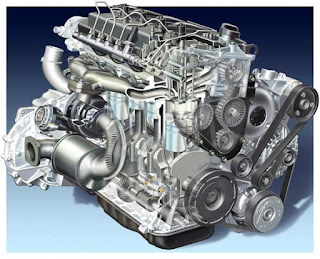
The 1.5 dCi is one of the most common engines found in Renault vehicles. It can be economical and durable when it has been serviced correctly, but it is not ideal for a car used almost exclusively for short urban trips.
Possible problems include:
-
EGR-valve contamination
-
Diesel particulate filter problems
-
Injector faults
-
Turbocharger wear
-
Difficult cold starts
-
Loss of power
-
Excessive smoke
-
Problems caused by long service intervals
A diesel Clio should be driven long enough to reach normal operating temperature. Frequent short trips can increase the risk of EGR and DPF-related problems.
Before buying a 1.5 dCi, check:
-
Whether the engine starts easily when cold
-
Whether the engine produces excessive smoke
-
Whether the DPF warning light is illuminated
-
Whether the turbocharger produces unusual noises
-
Whether there is hesitation under acceleration
-
Whether the timing-belt service is documented
-
Whether the car has mainly been used for city driving
You can also read the separate guide to Renault 1.5 dCi reliability and common problems.
Renault Clio 4 EDC automatic gearbox problems
Some Clio 4 versions were fitted with Renault’s EDC dual-clutch automatic gearbox. It can provide quick and comfortable gear changes when it is working correctly, but a used example should be inspected carefully.
Possible symptoms of an EDC problem include:
-
Jerking when moving away
-
Hesitation when selecting first gear
-
Delayed engagement of reverse
-
Clutch slipping
-
Shuddering during slow-speed driving
-
Sudden warning messages
-
Rough changes between gears
The gearbox should be tested in several situations:
-
Start from a complete stop.
-
Drive slowly in traffic.
-
Reverse and park several times.
-
Accelerate gently and firmly.
-
Test the car when the gearbox is cold and after it has warmed up.
-
Check whether any transmission warning appears on the dashboard.
Software updates can sometimes improve gearbox behaviour, but worn clutches, actuators or other components may require more extensive repairs.
A manual gearbox is often the simpler option for buyers who want to reduce the risk of automatic-transmission repair costs. However, a manual car must also be checked for clutch wear and difficult gear selection.
Manual gearbox and clutch problems
Manual Clio 4 versions are generally straightforward to drive, but high-mileage cars may develop clutch or gearbox-related symptoms.
Check for:
-
Clutch slipping under acceleration
-
A clutch pedal that engages very high
-
Difficulty selecting first or reverse gear
-
Grinding when changing gear
-
Unusual gearbox noise
-
Vibration when moving away
-
A heavy or inconsistent clutch pedal
During a test drive, select every gear and listen for unusual noises. A clutch that slips in a higher gear under strong acceleration may need replacement.
Suspension and steering faults
The Clio 4 has a relatively simple suspension layout, but suspension parts wear with age and mileage.
Possible problems include:
-
Knocking over speed bumps
-
Worn stabiliser links
-
Worn suspension bushes
-
Damaged shock absorbers
-
Broken or corroded springs
-
Worn top mounts
-
Uneven tyre wear
-
Steering vibration
Inspect the tyres carefully. Uneven wear on the inside or outside edge may indicate a problem with alignment, suspension components or previous accident damage.
During the test drive, listen for knocking noises on uneven roads. The steering should remain stable, and the car should not pull strongly to one side.
Brake problems and recalls
Some Renault Clio 4 vehicles have been affected by safety campaigns or recalls involving braking components and other systems. The exact recall information depends on the vehicle’s production date and market.
Before buying, ask a Renault dealer or authorised repairer to check the vehicle identification number for outstanding recalls.
Also inspect:
-
Brake-fluid level
-
Brake-warning lights
-
Brake-disc condition
-
Uneven braking
-
Vibration under braking
-
Brake-hose condition
-
The parking brake
Never ignore a brake warning light or a soft brake pedal. Have the vehicle inspected before continuing to drive it.
Electrical and electronic problems
As with many modern cars, the Clio 4 can develop electrical faults as it becomes older.
Possible problems include:
-
Battery drain
-
Electric-window faults
-
Central-locking problems
-
Wiper or lighting faults
-
Parking-sensor errors
-
Dashboard warning messages
-
Fuel-gauge inaccuracies
-
Intermittent starting problems
A weak battery can cause several unrelated warning messages at the same time. However, a new battery does not automatically solve every electrical problem.
Test all electrical equipment before buying:
-
Headlights and indicators
-
Electric windows
-
Central locking
-
Air conditioning
-
Radio and touchscreen
-
Bluetooth connection
-
Parking sensors
-
Cruise control
-
Dashboard warning lights
R-Link and MediaNav infotainment problems
Depending on the equipment level, the Clio 4 may have an R-Link or MediaNav infotainment system.
Some owners report:
-
A frozen screen
-
A black screen
-
Slow startup
-
Bluetooth-connection problems
-
Navigation errors
-
Unexpected restarts
-
Problems with the touchscreen
-
Incorrect or missing audio functions
Check the system during the test drive, not only while the vehicle is parked. Connect a mobile phone via Bluetooth and test the radio, navigation, speakers and steering-wheel controls.
Some problems may be improved by a software update, but a faulty multimedia unit may require replacement.
Air-conditioning problems
The air-conditioning system should produce cold air after a short period of operation.
Possible problems include:
-
Low refrigerant
-
Refrigerant leaks
-
Compressor faults
-
Condenser damage
-
Unpleasant smells
-
A blower fan that works only at certain speeds
Turn the air conditioning on during the inspection and check whether the temperature changes properly. Repairs can be more expensive if the problem involves the compressor rather than a simple loss of refrigerant.
Interior and bodywork problems
The Clio 4 has a modern-looking interior, but some examples can develop rattles and signs of wear.
Check for:
-
Dashboard or door-panel rattles
-
Worn seat fabric
-
Damaged steering-wheel coating
-
Worn gear-lever gaiter
-
Loose interior trim
-
Water leaks
-
Damaged door seals
-
Condensation inside the lights
The condition of the interior can also tell you how the car was used. Heavy wear on the pedals, steering wheel and driver’s seat may not match the mileage shown on the dashboard.
What to check before buying a used Renault Clio 4
Before purchasing, follow this checklist:
-
Check the service history. Look for regular oil changes and proof of timing-belt or timing-chain maintenance where applicable.
-
Start the engine from cold. Listen for rattling, misfires or excessive vibration.
-
Check the oil level. Be especially careful with the 1.2 TCe petrol engine.
-
Inspect the exhaust. Blue smoke may indicate oil consumption, while excessive black smoke may indicate a diesel or air-fuel problem.
-
Test the gearbox. Check every gear on manual cars and test the EDC gearbox in slow traffic.
-
Inspect the clutch. Look for slipping, vibration or a high bite point.
-
Test the infotainment system. Check the screen, Bluetooth, navigation and audio controls.
-
Test the air conditioning. Make sure it produces cold air.
-
Inspect the tyres. Look for uneven wear and mismatched tyres.
-
Listen to the suspension. Drive over uneven roads and speed bumps.
-
Check all warning lights. Make sure they illuminate when the ignition is switched on and then go out after starting.
-
Check recalls by VIN. Ask a Renault dealer to confirm whether all safety campaigns have been completed.
-
Arrange an independent inspection. A mechanic can identify problems that are not obvious during a short test drive.
Which Renault Clio 4 is the best choice?
There is no single best version for every driver.
A petrol Clio may be more suitable for drivers who mainly make short city journeys. A diesel can be economical for drivers who regularly travel longer distances, but it may be a poor choice for mostly urban use.
When comparing used cars, prioritise:
-
Complete service history
-
Evidence of regular oil changes
-
A smooth cold start
-
A clean dashboard with no warning lights
-
A gearbox that works without hesitation
-
Good tyre and brake condition
-
A vehicle with completed recall work
-
A clean inspection by an independent mechanic
Be particularly careful with cars that have no service documentation, signs of excessive oil consumption or an automatic gearbox that jerks during low-speed driving.
Is the Renault Clio 4 reliable?
The Renault Clio 4 can be a practical and economical used car, but reliability depends heavily on the engine, gearbox, maintenance history and previous use.
The most important areas to inspect are the 1.2 TCe petrol engine, the 1.5 dCi diesel’s emissions and fuel systems, the EDC automatic gearbox, suspension components and electronic equipment.
A well-maintained car with a clear history can still be a sensible purchase. However, a cheap Clio with neglected maintenance can quickly become expensive, especially if it has engine, turbocharger or automatic-gearbox problems.
Always inspect the specific vehicle rather than judging every Clio 4 by the same standard.
Final verdict
The Renault Clio 4 is attractive, comfortable and affordable to run, but choosing the right version is important.
Before buying, pay particular attention to:
-
Oil consumption on 1.2 TCe petrol engines
-
Timing-chain or timing-belt maintenance
-
EGR and DPF condition on diesel models
-
EDC gearbox behaviour
-
Suspension noises and uneven tyre wear
-
Infotainment and electrical faults
-
Completed recalls and documented servicing
The safest purchase is not necessarily the car with the lowest price. A car with a complete maintenance history and a successful independent inspection is usually a better choice than a cheaper example with unknown history.


Comments
Post a Comment