Renault Megane 4 Problems (2016–2022): Common Faults, Reliability and Buying Guide

The fourth-generation Renault Megane (produced from 2016 to 2022) is one of the most stylish compact family cars on the European used market. Available as a five-door hatchback, a sleek estate (Grandtour), and in some markets as a saloon (GrandCoupe), it offers sharp design, a modern cabin, and a wide choice of economical petrol and diesel powertrains.
Because early examples are now well within affordable used-car territory, many drivers are considering the Megane IV as an alternative to the Volkswagen Golf, Ford Focus, or Peugeot 308.
However, depending on the engine, gearbox, and model year, reliability ranges from very dependable to potentially frustrating. In this guide, we break down the most common Renault Megane 4 problems, which engines to choose or avoid, and what to inspect before buying.
Which Renault Megane 4 Models Does This Guide Cover?
This guide covers the pre-facelift (2016–2020) and facelifted (2020–2022) Megane IV models fitted with standard petrol and diesel engines:
-
Petrol: 1.2 TCe (100/130 hp), 1.6 SCe (115 hp), 1.3 TCe (100 to 160 hp), and 1.6 TCe GT (205 hp).
-
Diesel: 1.5 dCi / Blue dCi (90, 110, 115 hp), 1.6 dCi (130/165 hp), and 1.7 Blue dCi (150 hp).
-
Transmissions: 6-speed manual, 6-speed EDC (dual-clutch), and 7-speed EDC.
Major Mechanical Issues to Watch For
1. 1.2 TCe Petrol Engine Weaknesses (Pre-2018)
Early Megane 4 petrol models fitted with the 1.2 TCe (H5Ft) require the most caution. Known issues on this unit include:
-
Excessive oil consumption: Caused by low pressure in the intake manifold drawing oil past the piston rings.
-
Timing chain stretch: Can cause rattling on cold starts and engine timing errors.
-
Carbon build-up: Direct injection leads to carbon deposits on the intake valves over time, causing rough idling and loss of power.
Recommendation: If you want a petrol Megane, look for models built from late 2018 onwards featuring the newer 1.3 TCe engine (developed with Mercedes-Benz), which resolved almost all of the 1.2 TCe’s major flaws.
2. EDC Dual-Clutch Automatic Gearbox Quirks
Renault’s EDC (Efficient Dual Clutch) automatic transmission provides smooth gear changes when in good order, but requires inspection on used cars:
-
Jerky shifts at low speeds: Hesitation or shudders when moving off in first gear or reversing.
-
Clutch actuator wear: Dry-clutch versions (paired with smaller engines) can suffer from premature clutch wear in heavy city traffic.
-
Software glitches: Delayed response when accelerating out of roundabouts. In many cases, an official Renault TCU (transmission control unit) software update improves shift logic.
3. Diesel Engine Considerations (1.5 dCi & 1.6 dCi)
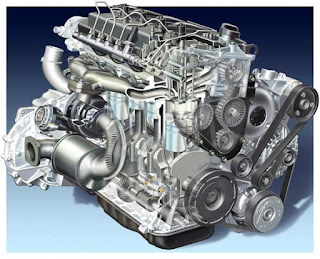
Both the 1.5 dCi (K9K) and 1.6 dCi (R9M) are generally robust workhorses, but watch for:
-
EGR and DPF clogging: Cars used primarily for short urban trips will frequently flag diesel particulate filter (DPF) warnings.
-
AdBlue system errors (Blue dCi models): Faulty AdBlue tank sensors and heater elements can trigger countdown warnings preventing engine restart.
-
Turbo and injector wear on high-mileage cars: Regular oil changes (every 10,000–15,000 km rather than the official 30,000 km) are critical for turbo longevity.
Electronics and Interior Faults
The Megane 4 introduced Renault's R-Link 2 portrait-style infotainment system. Early software versions are notorious for occasional quirks:
-
R-Link 2 system freezing: Slow boot times, black screen upon start-up, or unexpected restarts while driving. Most issues are rectified with software version updates (e.g., v7 or v9 software).
-
Keyless entry sensor failure: The hands-free door handle sensors can become intermittent in wet weather or cold temperatures.
-
Air conditioning failure: Reports of stone damage to the low-mounted AC condenser, as well as leaking refrigerant lines.
-
Interior cabin rattles: Light creaking sounds from the center console trim and door cards over rough road surfaces.
Suspension, Brakes, and Chassis
-
Rear suspension alignment: Early production cars (2016–2017) occasionally suffered from rear axle alignment issues leading to uneven rear tyre wear and road noise.
-
Front anti-roll bar drop links: Clunking noises over speed bumps usually indicate worn drop links or front wishbone bushes, which are inexpensive to replace.
-
Electronic parking brake sticking: Rare, but can occur if rear brake calipers become seized or dirty.
What to Check Before Buying a Used Renault Megane 4
Before committing to a purchase, make sure to perform the following checks:
-
Cold Engine Start: Listen for any metallic rattle from the timing chain on petrol engines, and check the dashboard for immediate warning lights.
-
Check Oil Levels: On 1.2 TCe models, verify the engine oil level and ask the seller how frequently top-ups are required.
-
Test the EDC Gearbox: Drive the car in stop-and-go traffic. Gear shifts should be smooth without jerking, hesitation, or clunking sounds.
-
Inspect the R-Link 2 Screen: Test the touchscreen responsiveness, pair your smartphone via Bluetooth, and test the reverse camera and climate control inputs.
-
Inspect the Rear Tyres: Check the rear tyre tread across the full width of the tyre for signs of uneven edge wear.
-
Air Conditioning Test: Turn the climate control to maximum cooling to confirm cold air blows within 30 seconds.
Verdict: Is the Renault Megane 4 a Good Used Car?
Overall, the Renault Megane 4 is an attractive, comfortable, and practical used car, provided you pick the right specification.
-
Best to buy: The 1.3 TCe petrol (smooth, powerful, and reliable) or the proven 1.5 dCi diesel (exceptional fuel economy for motorway commuting), paired with a standard manual gearbox.
-
Proceed with caution: Early 1.2 TCe petrol versions with incomplete service records, or early EDC automatics that exhibit rough shifting during the test drive.


Comments
Post a Comment