Renault 1.5 dCi Reliability: Common Problems, Lifespan and What to Check Before Buying

Renault 1.5 dCi Reliability: Common Problems, Lifespan and What to Check Before Buying
If you're looking at a used Renault, Dacia or even a Nissan with the 1.5 dCi engine, you're probably asking the same question as everyone else:
Is the Renault 1.5 dCi actually reliable?
The answer is not black and white. Some owners swear by it, while others warn about injectors, turbos or expensive repairs.
The truth is somewhere in between.
The 1.5 dCi can be a very reliable and economical engine — but only if you choose the right version and avoid poorly maintained cars.
In this guide, I’ll explain how reliable it really is, the most common problems, how long it can last and what you should check before buying.
What is the Renault 1.5 dCi engine?
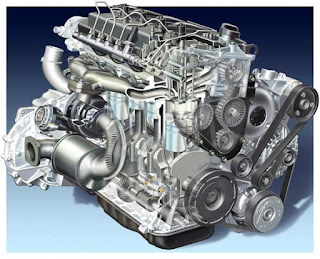
The Renault 1.5 dCi (engine code K9K) is a small turbo diesel engine used in many cars:
- Renault Clio, Captur, Megane, Scenic
- Dacia Sandero, Logan, Duster
- Nissan Micra, Note, Qashqai
- Even some Mercedes models
Because it’s so widely used, its reliability depends heavily on maintenance and production year.
Is the Renault 1.5 dCi reliable?
In general — yes, it can be very reliable.
But here is the key point:
Maintenance matters more than anything else.
A well-maintained engine can easily reach 250,000–300,000 km, while a neglected one can become expensive very quickly.
Which 1.5 dCi versions are better?
Older versions (early 2000s) are less reliable and created most of the engine’s bad reputation.
Later versions are significantly improved.
- ✅ 90 hp and 110 hp versions are usually the safest choice
- ✅ newer models are more reliable
- ⚠️ older models require extra caution
Common Renault 1.5 dCi problems
1. Injector problems
This is the most common issue.
- Hard starting
- Rough idle
- Smoke
- Poor fuel economy
To help keep injectors clean, many owners use a diesel additive like this injector cleaner.
2. Turbo problems
Usually caused by poor maintenance or infrequent oil changes.
- Loss of power
- Whining noise
- Smoke
3. EGR valve issues
Common in cars driven mostly in the city.
- Rough running
- Hesitation
- Warning lights
4. DPF problems
Diesel engines need longer drives to keep the DPF clean.
If you mostly drive short distances, you may experience:
- Warning lights
- Reduced power
- Higher fuel consumption
5. Bearing issues (older engines)
Older engines can suffer from bearing wear if oil changes were neglected.
6. Timing belt
Always check if the timing belt has been replaced. If not — budget for it immediately.
How long does a 1.5 dCi last?
With proper maintenance:
- 250,000 km is normal
- 300,000 km is achievable
Driving style and service history are more important than mileage alone.
Is it good for city driving?
Not really.
Diesel engines don’t like short trips. If you mostly drive in the city, a petrol engine is often a better choice.
Is it a good used buy?
Yes — but only if the car has a good service history.
This engine is ideal for:
- Long-distance driving
- Low fuel consumption
- Daily commuting
What to check before buying a 1.5 dCi
- Service history
- Timing belt replacement
- Cold start behavior
- Smoke from exhaust
- Injector condition
- Turbo noise
- Warning lights
Before buying, it’s a good idea to scan the car with a simple OBD2 device like this diagnostic tool to check for hidden errors.
You should also consider checking the vehicle history using a service like this car history report.
Final verdict
The Renault 1.5 dCi is not a perfect engine — but it can be very reliable if properly maintained.
The key rule is simple:
Buy based on condition and history, not just price.
This article is intended as a practical overview for used car buyers and owners. Engine condition can vary from vehicle to vehicle, so a professional inspection is always recommended before purchase or repair decisions.


Comments
Post a Comment